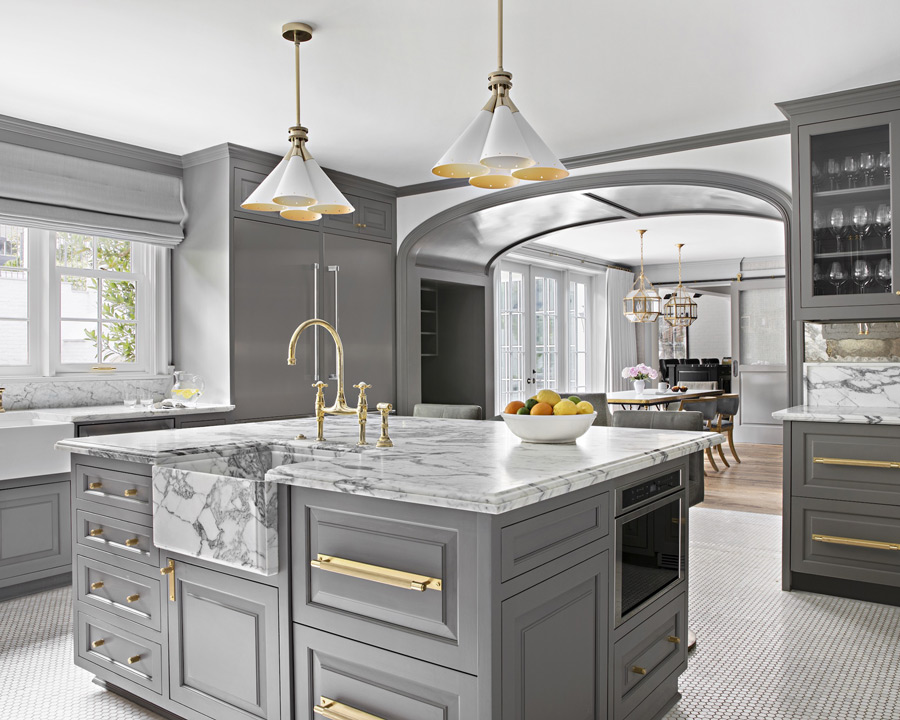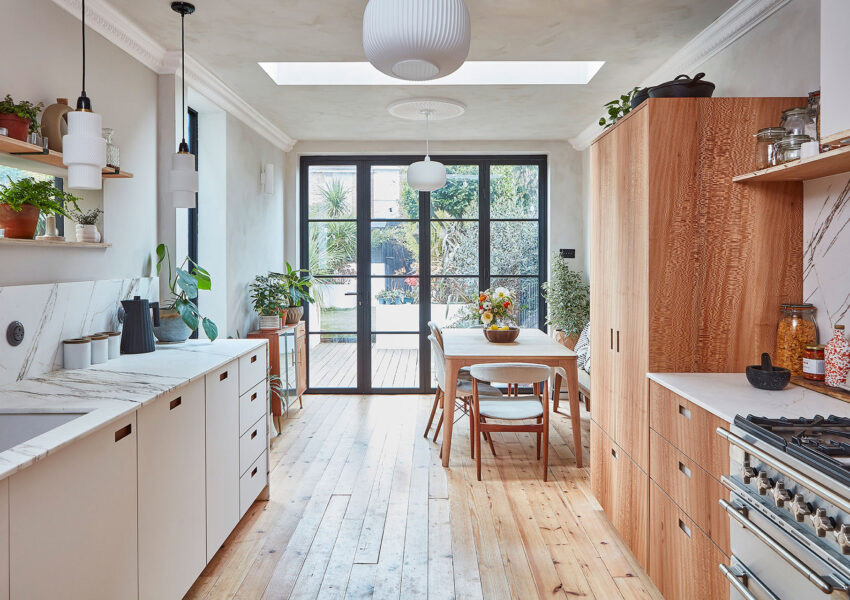
Straight answers to the questions Sydney homeowners, builders and renovators ask us most about kitchen joinery — what it actually means, how it differs from carpentry and cabinetry, and what it costs. Based on more than 20 years building kitchens across Sydney.
What is kitchen joinery?
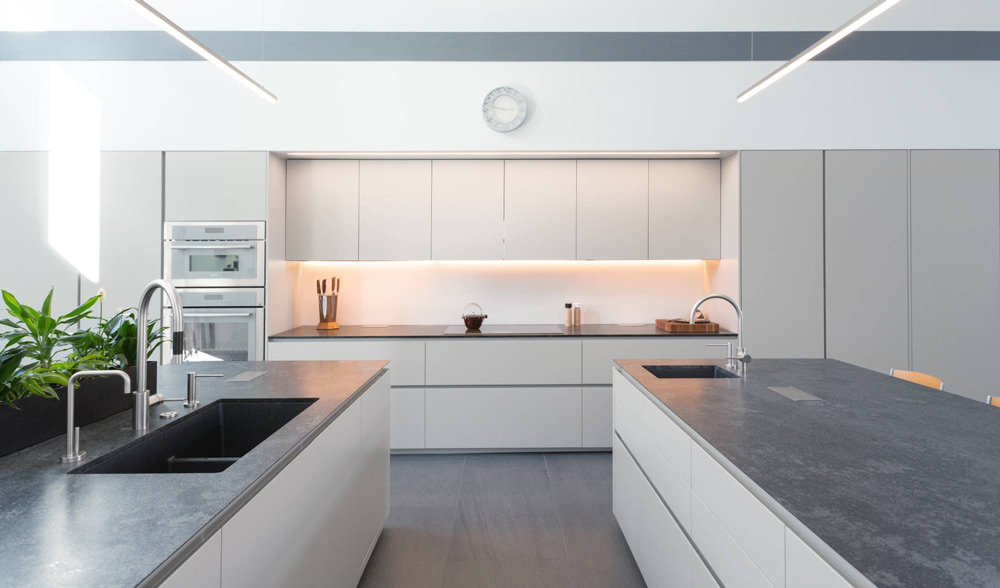
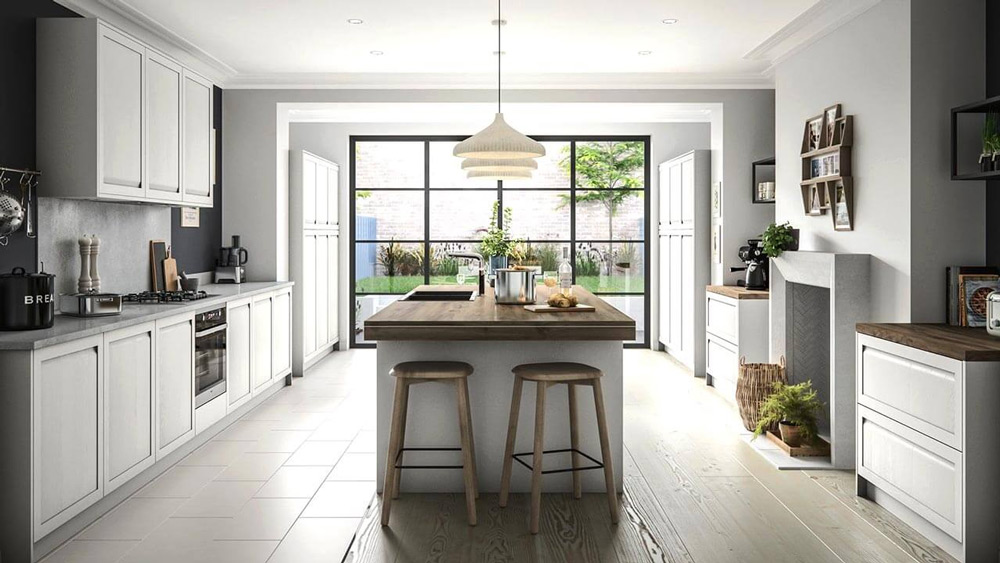
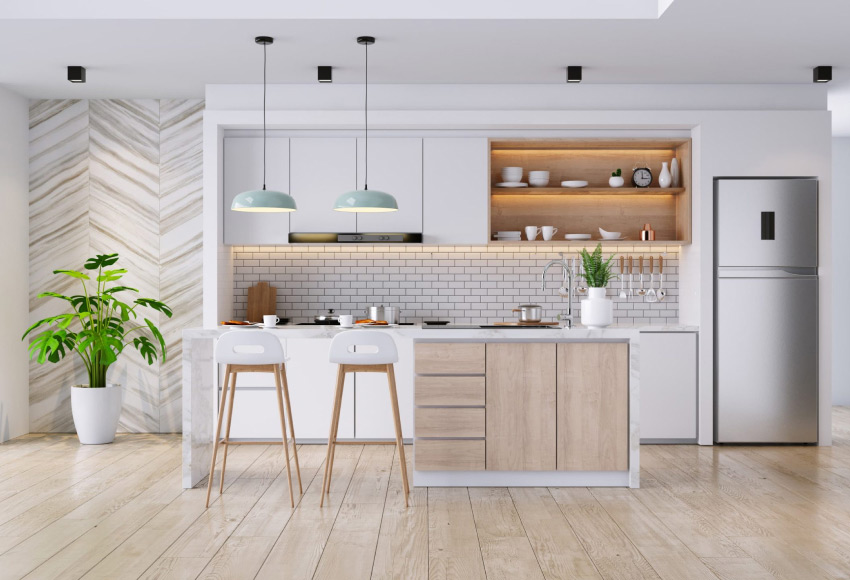
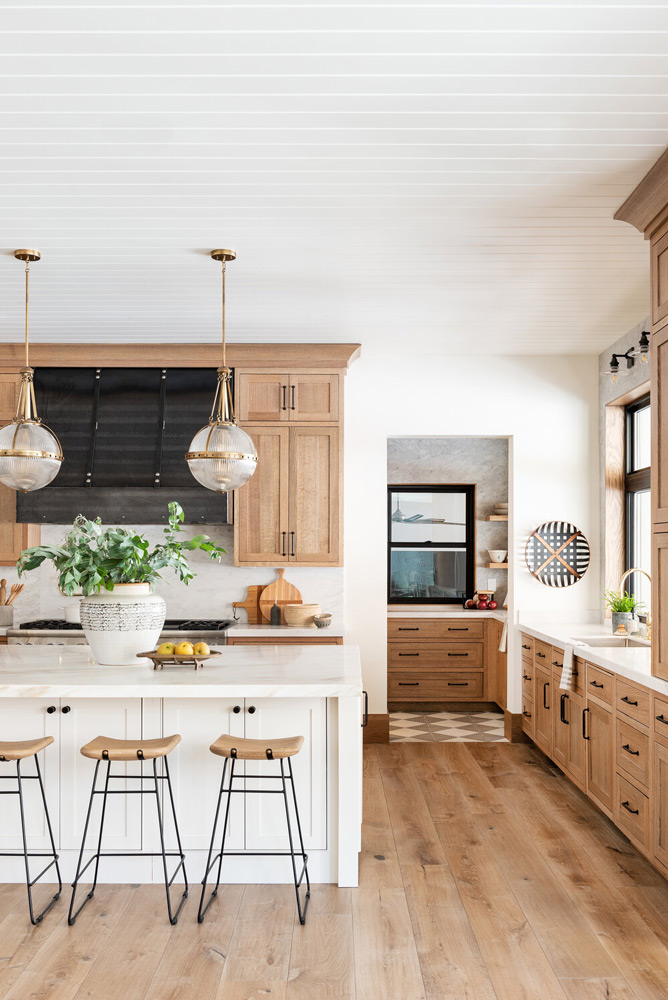
Kitchen joinery is the custom-built cabinetry and fitted timber elements that make up a kitchen — cabinets, drawers, benchtop supports, islands, pantries, panels and kickboards. Unlike flat-pack furniture, joinery is designed and manufactured to the exact dimensions of your room, then installed as a fitted whole.
The distinction that matters in practice is measurement. Flat-pack comes in fixed sizes, so gaps get covered with filler panels. Joinery is measured on site and built to those figures, which is why it suits Sydney homes with out-of-square walls, older terraces and apartments with unusual ceiling heights.
A typical kitchen joinery project covers the carcasses, doors and drawer fronts, internal hardware, pantry and appliance housings, and the decorative panels that tie it all together.
Is joinery the same as carpentry?
No. Carpentry is structural work done on site — framing, roofing, decking, floors and stairs. Joinery is finer work made in a workshop, then installed. Put simply, a carpenter builds the structure of the house and a joiner builds the fitted pieces that go inside it.
In Australia the two trades overlap more than they do in the UK, and many builders use the words loosely. The practical difference for a homeowner is where the work happens. Joinery is machined in a workshop with fixed equipment, which is what allows the tolerances and finish quality you cannot achieve cutting on site.
Can a carpenter do joinery?
A carpenter can build cabinetry, and many do good work. The limitation is equipment rather than skill. Kitchen joinery needs workshop machinery for panel cutting, edge banding and pressing, plus the ability to dry-fit a full run before it reaches your home. On-site construction rarely matches that finish.
Where it usually shows is in the details — edge banding that lifts over time, drawer alignment that drifts, and doors that sit unevenly across a long run. None of these are visible on day one. They appear after a year or two of use.
If a builder offers to have their carpenter build the kitchen, it is worth asking specifically whether the cabinetry will be workshop-made or site-built, and who carries the warranty on it.
What is the difference between cabinetry and joinery?
Cabinetry refers to the boxes themselves — the cupboards and drawer units. Joinery is the broader term covering the whole fitted installation, including cabinetry plus panels, bulkheads, islands, shelving and the finishing details that make it read as one built-in piece rather than furniture placed in a room.
Most Australian suppliers use the words interchangeably, so the label matters less than what is actually quoted. When comparing quotes, check whether panels, kickboards, bulkhead infills and appliance housings are included, because these are commonly where two quotes for the same kitchen diverge.
Is a joiner better than a carpenter?
Neither is better — they do different work. You want a carpenter for structural and on-site timber work, and a joiner for fitted cabinetry, wardrobes and kitchens. Using the wrong trade for the job is the actual mistake, not choosing one over the other.
On a full renovation you will usually need both. The carpenter handles framing and any structural changes, and the joiner supplies and installs the fitted elements once the room is square and services are roughed in.
Why is it called joinery?
The name comes from the traditional trade of joining pieces of timber together without nails, using cut joints such as mortise and tenon or dovetails. A joiner was the tradesperson who made those joints. The word survived even though modern joinery uses engineered panels, machine cutting and concealed hardware.
What are the three types of cabinetry?
Cabinetry is generally grouped as stock, semi-custom and custom. Stock is pre-made in fixed sizes and the cheapest. Semi-custom is a standard range with some choice of sizes and finishes. Custom is designed and built specifically for your room, with no size or layout restrictions.
- Stock: fixed sizes, fastest turnaround, gaps filled with panels
- Semi-custom: standard carcasses, choice of doors, finishes and some dimensions
- Custom: measured and built to your room, any layout, any finish
Custom is the right choice where space is tight or awkward, where ceilings are high, or where you want floor-to-ceiling storage with no wasted gap above.
What is the average cost of installing a new kitchen in Sydney?
[VERIFY WITH CLIENT] Most Sydney kitchens fall between $15,000 and $35,000 for custom joinery, benchtops and installation, with high-end projects going well beyond that. The range is wide because size, benchtop material, appliance allowance and whether plumbing or electrical needs moving all shift the figure substantially.
Be cautious of a fixed price quoted before anyone has measured the room. A quote given from a floor plan alone will almost always change once the site is checked, particularly in older homes where walls are out of square.
Book a measure and quote and you will get a firm figure based on your actual kitchen.
What is a realistic budget for a kitchen?
[VERIFY WITH CLIENT] A realistic budget depends on whether you are replacing joinery only or renovating the whole room. Joinery-only projects sit at the lower end. Full renovations involving new plumbing, electrical, flooring and benchtops cost considerably more, and a contingency of around ten per cent is sensible on any older home.
The most common budgeting mistake is allowing for cabinetry but not for the trades around it. Moving a sink or adding power points to an island brings in a plumber and an electrician, and in older Sydney homes it can also uncover wiring or waterproofing that needs bringing up to standard.
What is the most expensive part of redoing a kitchen?
Cabinetry is usually the single largest line, typically around a third to a half of the total. Benchtops come next, particularly natural stone. Appliances can rival either depending on the brands chosen. The costs that surprise people are the trades — plumbing, electrical and any structural change.
If the budget is tight, the most effective saving is keeping the existing layout. Leaving the sink and appliances where they are avoids moving plumbing and electrical, which frees up budget for better cabinetry and hardware where you notice it every day.
Planning a kitchen project?
We supply and install custom joinery across Sydney, including kitchen joinery, bathroom joinery, laundry joinery, built-in wardrobes and shopfitting. Send us your plans or measurements and we will talk you through the options — get in touch.